Treats with flubenvet 1%

breedx

New member
Joined
Feb 4, 2014
Messages
13
Reaction score
0
This forum seems to have some experiencd flubenvet users, so thought I'd ask a few questions.

Need to worm my chickens. But I don't like the fact I have to make them live off pellets only for 7 days.

So I made a separate 1kg container of wheat/maize mix and added on 3 grams of flubenvet 1% to it, mixed in well just like with the pellets. I'm planning on giving them a handful of this mix every evening as a treat and it should not mess up their flubenvet treatment, as this treat now has the right amount of flubenvet mixed in. Of course, as they go mad for wheat/maize mix there is a risk of them getting too much flubenvet, but surely that extra amount is negligible.

Am I correct in my thinking or have I done something I should not have?

Also, my rooster is ill (possibly worms) and is not eating any pellets. So I have to get some flubenvet down him somehow (will try grape method in evening too) and keep his energy up. He does eat the wheat/maize mix a little, but I plan on giving him friewd egg mixed in with a pinch of flubenvet just to make sure he gets enough because he is certainly not eating enough to get enough flubenvet down him. There's not much chance he will be overdosed is there? I read it takes a huge amount of over dosage to harm the chickens.
 
Hi Breedx, and welcome to the Forum.
The point about mixing the right amount of Flubenvet into the chickens feed is that each bird will dose herself the correct amount in the course of a week, if she doesn't have anything else to eat. Since you've added 3grams of Flubenvet to 1kg of maize/wheat mix, you have dispensed the drug correctly, but even if they eat all the feed you give them out of this, that wouldn't be enough for them and presumably they would be eating other feed as well, eg pellets, greens etc. This other food should also be mixed with Flubenvet in the correct proportions, else the hens won't be getting a full dose. Presumably you won't want to give them very much each of the maize and wheat mix and thus upset their balanced main diet of pellets. For hens in lay, a good rule of thumb is not more than an egg cupful each of treats per day, ie maize, which is fattening, and wheat, which is low protein, so too much of either will possibly affect their health and laying abilities.
How many birds are you trying to dose, apart from the cockerel? For my four, I mix up 5 kilos of feed with 2.5 scoops of Flubenvet, having added a little vegetable oil to the pellets beforehand to help the powder to stick to them evenly. I give this to them for the week, with no extras - I'm very hard- hearted, because it's better for them to get the proper dose than to be treated incompletely and then suffer from recurrent worms. I do mix up some of the treated pellets into a warm damp mash in the evenings, which they love and it helps it go down, and in the evenings, after they've had all their pellets I give them some greens. Remember, as with children, you are in charge but they will take advantage of you if you let them think they can get away with things!
I wonder when you last wormed your flock, and what makes you think the rooster is ill because he has a lot of worms? If you can repeat the dosage of Flubenvet every 4-6 months, pick up poos in the run as much as possible, and try not to let them eat worms, snails or slugs, they should all stay clear of
bad outbreaks. If you know they have net been wormed for longer than this, you should repeat the treatment on this occasion, three weeks after the first week of dosing them has ended. This will help to clear up residual infestation from eggs which have hatched in the meantime.
If you feel the rooster does have bad worms, then yes, getting a dose of Flubenvet into him by whatever means you can will be a good thing to do, as worms will pull a bird down even if something else is afflicting them as well. But something else may be going on with him as well. What symptoms is he showing? Personally I wouldn't fry the egg, scrambling in the microwave or mashing a boiled one would be less fat and thus more digestible. Add some sunflower seeds and mealworms to the dose and he should really like it!
 
Hello Breedx and welcome to the forum. You don't say how many chickens you have or if they are large fowl or bantams. But each large fowl will require 2 -3 grammes of Flubenvet at 1% for their course of treatment. How you administer it is up to you. We mix ours into a paste with cod liver oil or olive oil and give them a shot every day with a 1mL syringe (about 0.2mL I mix it to), after they have had their morning feed, well down the throat followed with a few pieces of chopped apple. Very important the application as they can breathe it in through airways in the roof of the mouth and under the tongue They can then do whatever they want. We used to mix it with olive oil (as an adhesive) and mix it to the feed but they hated being stuck in their runs eating only pellets for 7 days. If you add it to treats you need to make sure they all get the correct share. I don't agree that the maximum doesn't matter. It is strong stuff and best not to overdo it.

Sorry for repeating some of your content Marigold, but I had already typed it all when you posted.
 
Thanks for the quick and detailed answers.

Sorry, I should have been more clear. I have given them their pellets which I have mixed the flubenvet into (1 x 6g scoop per 2kg of pellets) and on top of that I have mixed some of the flubenvet into the wheat/maize mix to still give them their treat in the evening, which now also has flubenvet (as well as the pellets).

7 chickens 1 rooster.

Rooster is listless most of the time, drinks ok but eating hardly anything, hunched, runny green poo (which I think means he has an empty stomach). Still gives half hearted crows occasionally, has stopped treading the hens, not as active as it normally is although being the boss of the flock, he does sometimes go here and there and give warning noises if he senses danger, although I have noticed my lead hen do this more since the rooster became ill.

It's not impacted or sour crop. Checked.
It's not mites or lice, treated them with ivermectin only a few days ago, and checked them chickens, they are external parasite free. No sign of any physical injury.
Not any respiratory disease, no signs apparent whatsoever of respiratory issues.
Qurantine - should have, but just can't at moment due to space constraints. I'll probably only stress him out more anyway talking him away from his flock.

So unless I have some other disease issue I will have to treat for worms first to eliminate that possibility.

This is the first time I am worming, only had my chickens for about 7-8 months, although I have wormed them with verm x before, for the first 3 or so months, after which I Wormed with food grade diatom recently, as well as regularly giving them things like garlic and apple cider vinegar.
 
That clRifies things, thank you. Unfortunately, Vermex, diatom, garlic and ACV are all equally useless at actually killing worm eggs, though they may act as a gut tonic if you believe in them. If you have treated with Ivermectin this should have done the worming as well as the parasites, if any - I'm not sure about using Flubenvet as well, so soon after.
It sounds to me as if the rooster might have a gut infection. I had a hen last year with similar symptoms and the vet prescribed antibiotics, which cured the problem, he said it was a liver infection. She had green runny poo as well as being very off colour. So, either take him the vet and let the vet know what you've done about worming with the two preparations, or if you don't want to take him to the vet, try bio active natural yogurt. If you Google Beryl's Yougurt there is a kind specially for chickens, which is very helpful for their gut problems.
 
Thanks for telling me about Beryl's Yougurt. Will look up that for sure.

At the moment I am giving him human youghurt with live bio cultures (Bio Pot).

The ivermectin was only externally applied for external critters. Applying it externally does not worm them does it? You have to feed them the ivermectin to worm them don't you?
 
Here is a link to the main Poutrykeeper site, which has some information on Ivermectin http://poultrykeeper.com/poultry-medication/ivermectin-for-worms-lice-mites
And worming chickens in general http://poultrykeeper.com/general-chickens/worming-chickens
With some graphic pics of nasty types of worms!
Do remember that if you have used Ivermectin on your hens you must not eat the eggs for a minimum of 7 days, and personally I feel at least a fortnight would be better. ivermectin is a strong drug which is not licensed for poultry, although sometimes vets will prescribe it for various parasite problems if all else fails. Consequently its best not to administer it without a vets prescription. It is usually applied to the skin, but the dosage is a bit problematic as it can have too strong an effect on birds because their systems are quite different from mammals. But for worming its really best to stick to Flubenvet, which is designed for poultry and has no egg withdrawal problems.
 
Sounds as though your cockerel has an abdominal infection and needs antibiotics Breedx. Green poo, in my experience, means eating a lot of grass or dark greens, high stress caused by injury or by internal infection. We've had several mystery infections resolved by 7 days of Baytril. We've just lost a cockerel (Merlin -Blue Laced Wyandotte) that had similar symptoms to yours. We wormed him and gave him antibiotics then spotted the cankers in his throat and realised that the seemingly partially full crop was probably cankers which run throughout his body. He was drinking fine but eating some as well. On his last day he stopped talking completely. The whole downhill slide lasted three weeks, so you need to act fast Breedx.
 
Yes I am doing a 7 day withdrawal for the eggs due to ivermectin, and then I'll probabky eat the eggs myself, but wait a few more days before giving them t the kids.

I don't think it's canker, but will have a good look inside mouth to see if I can spot anything. If there is no change after the flubenevet in 7 days (hopefully he will still be alive), I have some tylosin for bacterial infections, will give him that. Can I give tylosin at same time as flubenvet, or is that not a good idea (especially as seeing only last week I gaver him ivermectin. I don't want to be pumping him with too many drugs in one go)?

Also, Since I started my chickens on the flubenvet yesterday, I am noticing today that pretty much all of them have green runny poo today and most of them look a little off (most had fir normal poo yesterday)? Could the fluenvet have done something? The hens that were laying are still laying though.
 
When worms die they give off toxins Breedx. If the worm burden is high it can make them quite ill and in extreme cases kill them. That's why it is important to worm regularly. Sounds as though yours possibly had a lot.
 
I can only repeat the advice always given to chicken keepers, that antibiotics are only to be used sparingly and a last resort, and only under prescription from a vet. I really wouldn't advise dosing your cockerel with an antibiotic you just happened to have, without consultation. Whether the antibiotic would be likely to help him on top of what else he has been dosed with would be for the vet to decide, once he had diagnosed th problem.
Theres's a lot of concern in animal welfare circles about the over-use of antibiotics, especially off prescription of drugs not tested as safe for poultry. New strains of bacteria quickly evolve and then the drug becomes less effective for all of us.
 
Thanks guys, you've been a great help.

Hopefully they are getting rid of the worms then, which is why they all have the green diarrea now and look very slightly under the weather.

I am not a big fan of antibiotics, and don't really want to use them except when absolutely necessary. Neither do I have the desire to spends huge amounts on vet fees or medications. I will do the basic things to treat an ill chicken like check for crop issues, stuck eggs, respiratory issues, lice, mites, worms and physical injuries - things chicken keepers can treat themselves with common medicines such as flubenvet, and if non of that works I know I most likely have a major illness so may quarantine, try to keep chickens energy up to help it fight illness, give it nutritious food, warmth etc but if I know non of this is making the chicken better, I would rather just cull. Honestly, going to the vet whenever something goes wrong, and trying one medicine after another just gets too expensive sometimes. The tylosin was actually something I bought about 4 months ago for the chickens.

Well, this is the first time I was using flubenvet and you guys have given me good advice on it, so thanks for all that.
 
I think you're right about knowing when to call time in a sick bird, Breedx. Sometimes people spend a lot of money at the vets, simply prolonging the suffering of the chicken concerned, and to no good in the end. However,, I know that, for many folk, their chickens are real pets and a big part of their lives, so I'd always try to advise about when I thought a visit to the vet was a possible way to go.
Re antibiotics - Tim Daniels has recently listed an article on Poultrykeeper about using antibiotics with poultry, and I've posted the link as a 'sticky' here;
http://poultrykeeperforum.com/viewtopic.php?f=7&t=8760
- in case you're interested .
I hope your flock picks up in health very soon. Do let us know how they get on, especially the cockerel.
 
Can you mix the flubenvet with crumbs? Everyone always seems to mention pellets, but I'm assuming it's ok to mix with crumbs also? My rooster was just not eating the pellets, but he eats the crumbs ok, so I mixed in a bit of olive oil into the crumbs so the crumbs all seemed reasonably damp with the oil, and then mixed in the right amount of flubenvet. I'm sure that is ok, the flubenvet powder should stick to the the small crumbs, even if the crumbs become powdery, especially as I'd mixed in a bit of olive oil, but I'd just like to confirm that this will work won't it?

Good summary there by Tim on the issue with antibiotics.
 
Another question. Does flubenvet kill eyeworm? Just now I noticed one of the chickens with a swollen cloudy eye that is closed quite often. I wonder if she had eyeworm and the flubenvet is killing them, and the reaction has caused this swelling/cloudiness of eye? It may of course have just been pecked but I highly doubt it, and no other signs of any respiratory issue present. Besides the eye she is acting absolutely normal running about etc.

I really hope flubenvet kills eyeworm.
 
No problem mixing with crumbs, if by that you mean layers mash, as its exactly the same stuff as pellets.
I've never heard of eye worm, at least not in the UK. When I googled it, I got several sources including this one on Backyard Chickens http://www.backyardchickens.com/t/32016/watery-eye-lice-mites-worms-or-something-like-that-around-her-eye
Whereabouts are you living? It would appear that eyeworm is common in the Southern states of the USA and in Australia.
 
I'm in the west midlands. No eyeworm in UK? Oh great, must be something else then. I wonder if it is symptoms of the mycoplasma (my flock is mycoplasma positive (or atleast some other respiratory disease if not myco)) showing up again due to the worming. Can using flubenvet do this?

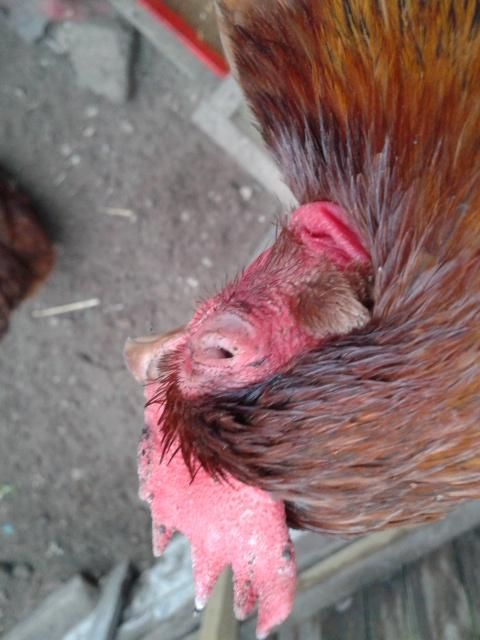
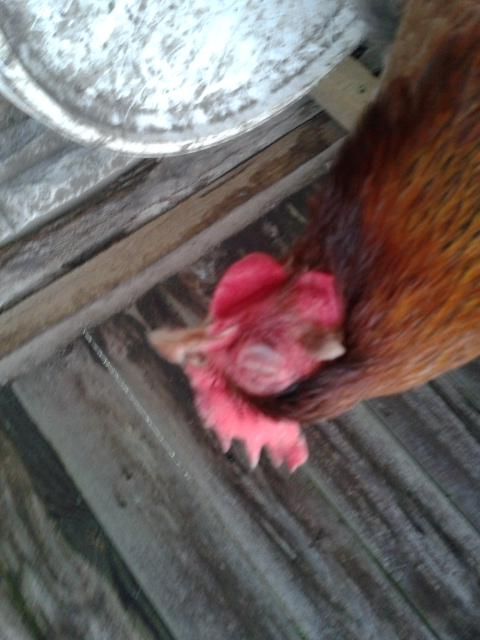
Sorry I could not get better pics, hard to hold a chicen and take a pic at same time.

20140206_152726.jpg


20140206_152808.jpg


Chicken crumbles is what I mean. These are the ones, the smallholder oes http://www.cotswoldchickens.com/ekmps/shops/cotswoldchick/images/free-range-layer-crumble-376-p.jpg
 
Some great advice but I wanted to add a couple of things:

breedx said:
I'm planning on giving them a handful of this mix every evening as a treat and it should not mess up their flubenvet treatment, as this treat now has the right amount of flubenvet mixed in.

Correct. Crumbles / mash / pellets are also similar in weight so there is no problem mixing with this either. We all mention pellets as these are convenient and normally fed to backyard chickens.

breedx said:
Of course, as they go mad for wheat/maize mix there is a risk of them getting too much flubenvet, but surely that extra amount is negligible.

Chickens will eat until full, so it shouldn't make any difference if they eat this, or pellets, or a mixture of both. As Marigold says, the problem when people feed too much mixed corn (containing Wheat and a little kibbled Maize) is that the protein level of this is too low and quite variable according to the source / harvest for chickens to sustain normal laying and growth which is why it should only be fed as a treat. Maize is also fattening and fat hens don't lay eggs ;-)

breedx said:
Also, my rooster is ill (possibly worms) and is not eating any pellets. So I have to get some flubenvet down him somehow (will try grape method in evening too) and keep his energy up.

Flubenvet should really only be given as per the label / instructions in feed so the correct dose is administered and over the correct time period (7 days) therefore the 'correct' advice would be to visit a poultry vet with your rooster for diagnosis / treatment although if you treated him with Ivermectin, this should have killed most common worms. I'd say it's more likely something else, most likely a disease. I would quarantine him for sure.

The trouble with diagnosing is that once a chicken gets worms or sick with an infection, they get secondary infection from every other passing disease - e.g Mycoplasma usually results in secondary infection in the upper respiratory tract - it's this infection we're seeing and usually ends up killing the bird.

Chickens appear fine one minute and are really ill the next - In nature they hide their illnesses because they are predated upon by other animals. They have evolved their genetic make up for their own protection.

I try not to encourage people to come up with ways to dose their birds in other ways such as the Syringe or grape method - especially if they are eating and laying eggs for consumption. The 'nil egg withdrawal' is when Flubenvet is dosed as the label suggests, not in one great big dollop that might be too much or too little on a grape for example.

Apart from getting the dose right, as I have been told "legally, it is only a veterinarian who can advise on such use and you would be in breach of the veterinary medicines regulations and NOAH code of practice by supporting, or encouraging the use of Flubenvet 'off label' "

So.. there is no risk of your rooster laying eggs I guess :-)07 so if you're not planning on eating him and if he isn't eating the medicated feed, your choices are limited to visiting a poultry vet or an 'off label' method to treat him that I can't advise you do that....

Antibiotics - personally, I would rather cull and build immunity in the flock than use them here now. A topic for another time - This post is now huge ;)

I hope he makes a recovery. Tim.
 
Those pics don't look good, I'm afraid, in conjunction with all the other symptoms you've told us about. Could well be mycoplasma, at quite an advanced stage. As you don't want to take him to the vet for a positive diagnosis, I think it would be kindest to cull him. I may be wrong, of course, but if its not Myco, it's obviously something else really nasty. Mycoplasma is horribly infectious and whilst he's still there, the rest of your flock is in great danger, especially as you haven't got room to quarantine him. Even if your managed to pull him through this, he would probably suffer from flare-ups in the future, and not be as healthy and vigorous as he should be with his girls.
 
Thanks for taking the time out to give all the great advice, all of you. I think I've got a much clearer picture now of to handle this situation now.

I just need one thing clarified (well I hope this is the last thing I need clarified on this topic). A couple of times now it has been mentioned that ivermectin should have killed most internal worms anyway. Yes I have applied ivermectin (harkamectin 0.35%) but I only applied it externally to kill off lice and mites (on the skin between the shoulders just below or on the neck). Applying it externally only surely does not kill off the internal worms does it? To kill of internal worms you have to feed them ivermecin don't you?
 
Back
Top